
Download the FCRA vs. 50 States Quick Reference Guide
A one-page summary comparing FCRA and state-by-state requirements.

Employment background check laws vary significantly from state to state.
Explore reporting limits and other state-specific restrictions.
The Fair Credit Reporting Act (FCRA) establishes the federal minimum requirements for employment background checks, including disclosure and authorization requirements, consumer rights, and the adverse action process. Many states impose additional requirements that employers must also follow.
Read FCRA Overview →Five areas where state law most often goes beyond the FCRA baseline.
The following 16 states (including District of Columbia) require that criminal history questions be removed from job applications, delaying them until after an interview or conditional offer.
The following 5 states have no statewide law but do have local ordinances covering private employers. Every other state follows the FCRA baseline, which sets no restriction on when the question may be asked.
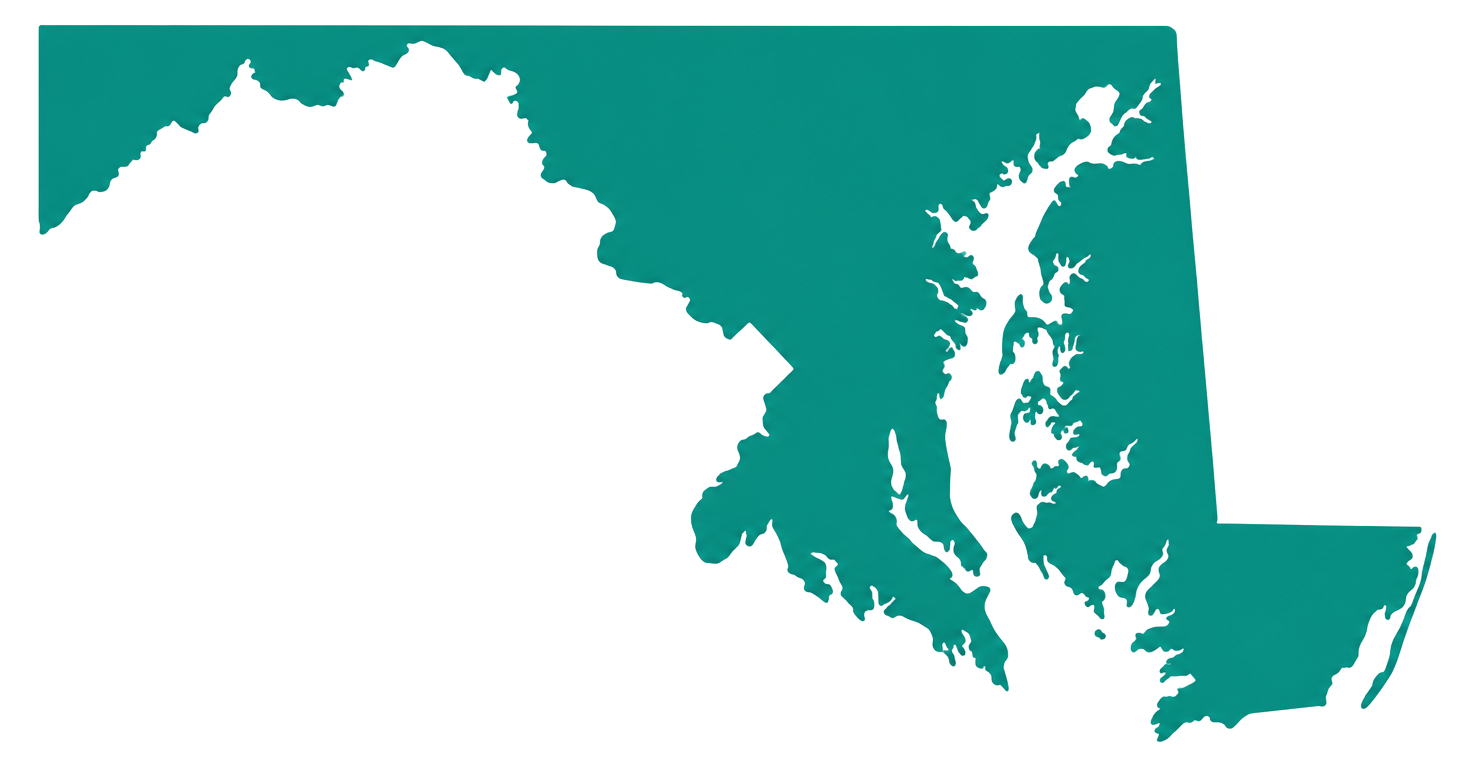
The FCRA places no time limit on reporting criminal convictions. The following 9 states impose their own restrictions, generally capping conviction reporting at 7 years from disposition, release, or parole.
Several of these carry salary-based exceptions, so higher-paying roles may fall outside the cap. Every other state follows the FCRA baseline, which limits non-conviction records to 7 years but places no limit on convictions.
The following 12 states (including District of Columbia) restrict how employers may use consumer credit history in hiring decisions.
Philadelphia has its own ordinance covering employers in the city. Most of these laws carry exceptions for financial, managerial, or trade-secret roles. Every other state follows the FCRA baseline, which permits credit checks with disclosure and authorization.
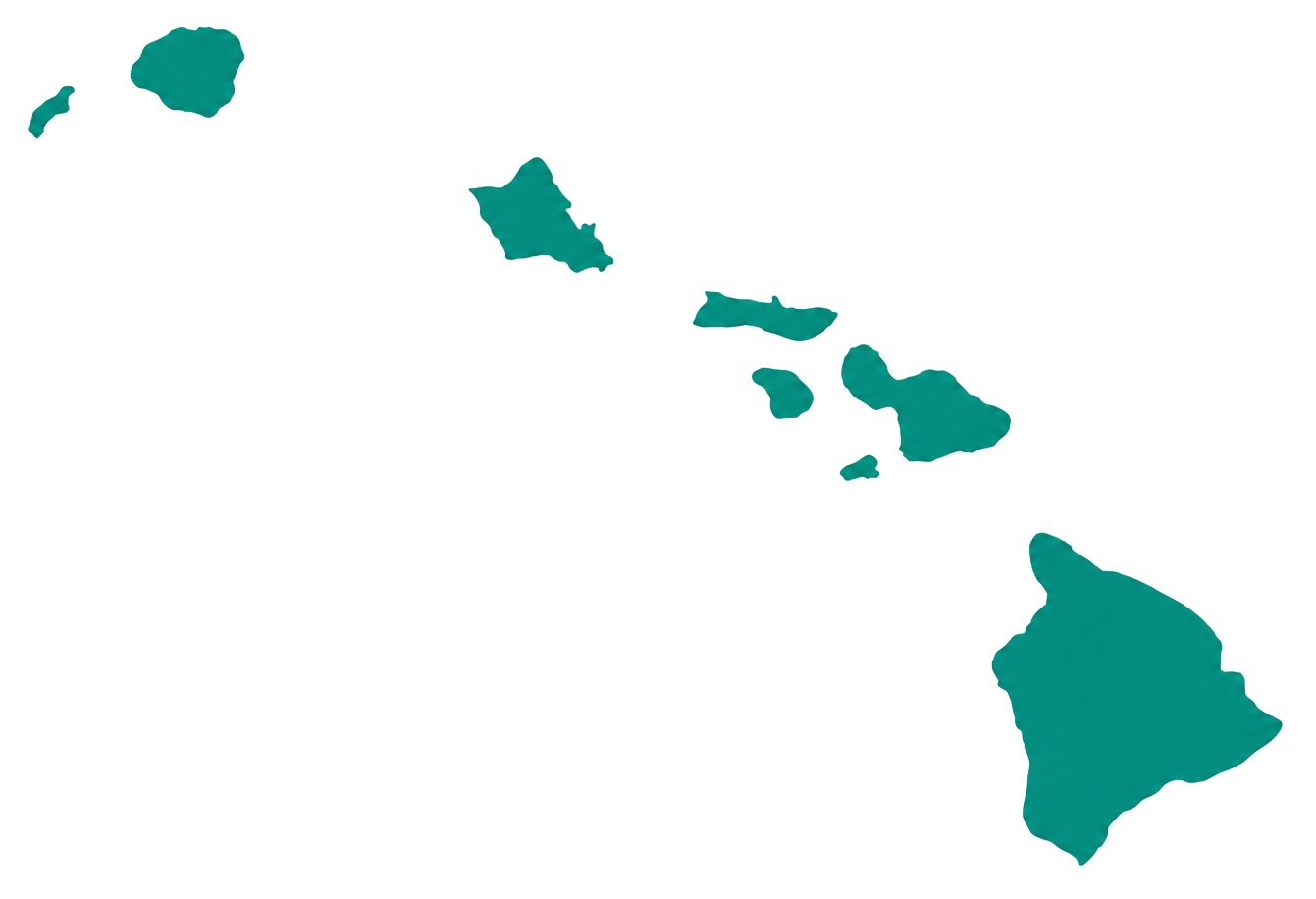
The following 20 states (including District of Columbia) prohibit employers from asking about a candidate’s prior pay. Since the FCRA does not address the topic, salary history questions remain fully permitted elsewhere.
Ohio and Pennsylvania have no statewide ban but do have local ordinances. Most of these laws also prohibit using pay history to set a new offer, even when the applicant volunteers it.
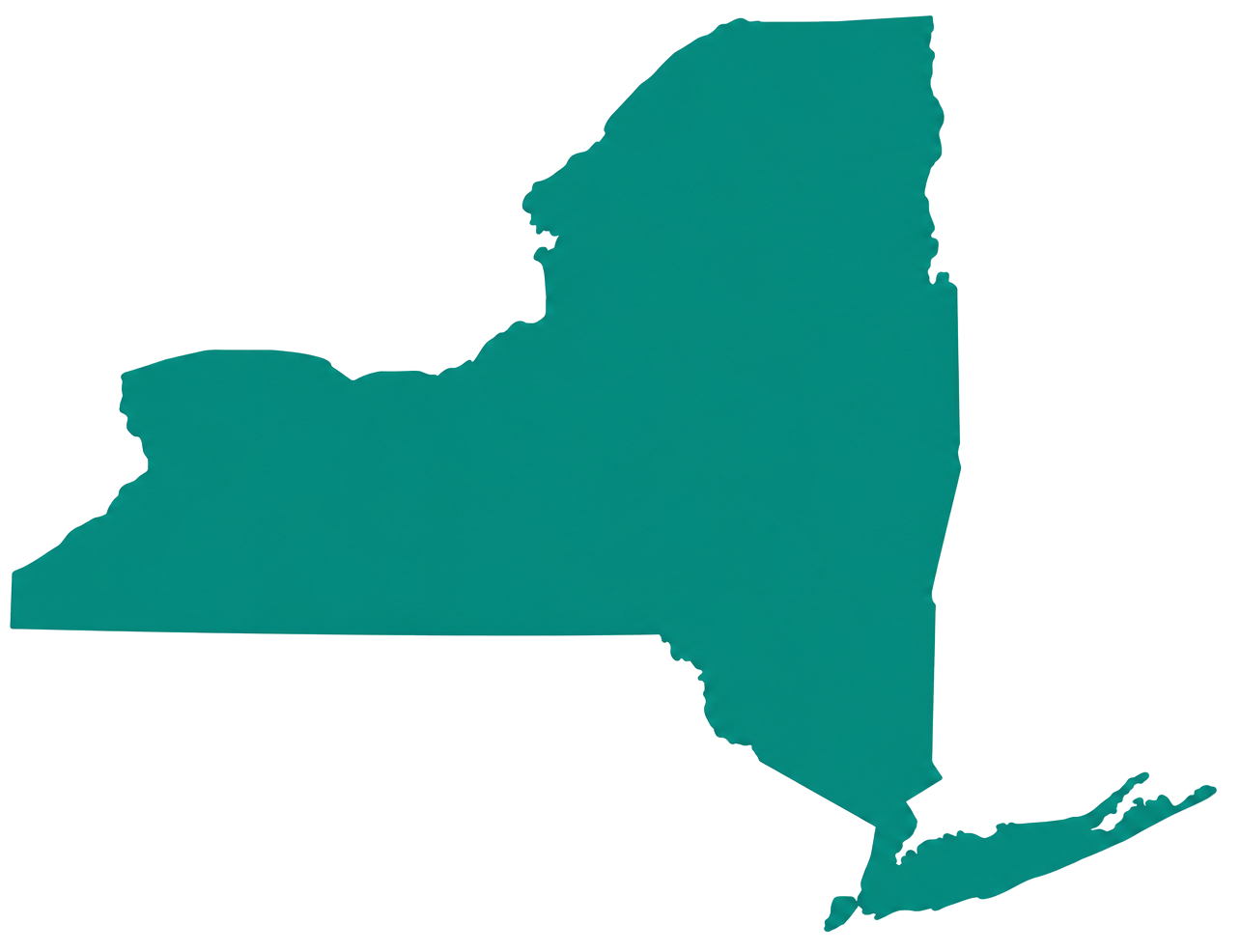
The FCRA requires a reasonable waiting period between the pre-adverse action notice and the final decision, but does not define one. The following 3 states set a specific number of days.
Every other state follows the FCRA baseline. Some states without a set waiting period still require additional notice language or forms, so check the individual state page for where the candidate will work.
States that add significant requirements beyond the FCRA baseline.





 Background Check Law Trends
States are introducing regulation for algorithmic hiring tools and automated decision-making in the screening process.

More states are automatically sealing certain criminal records, including recent laws in Virginia and Pennsylvania.

States continue to expand employment protections tied to off-duty marijuana use.

A growing number of states now require employers to disclose salary ranges in job postings, a trend distinct from, but often paired with, salary history bans.

Many states are restricing credit checks to roles with real financial responsibility, and some now require employers to put their job related justification in writing.
 Frequently Asked Questions
Yes. The FCRA is a federal law and applies nationwide as the baseline for any employer using a third-party background check provider. No state can offer less protection than the FCRA, and most add requirements on top of it, though the FCRA does preempt state regulation in a few specific areas.
Usually the law of the state where the work will be performed, though some states apply their rules based on where the applicant lives. This area is not fully settled, and many employers follow the stricter of the two as a practical matter.
Sometimes. A number of cities and counties have their own hiring rules that go further than the state’s, and in a few states, local rules are preempted entirely. Check the local ordinances section on the relevant state page.
The FCRA sets a federal floor rather than a ceiling in most areas. States and local governments have added their own protections on top of it, which is why the same background check can be handled differently depending on where the candidate will work.
Not always. Some state laws only apply above a certain employee count, and many carve out roles where a background check is required by law, such as childcare, healthcare, law enforcement, and some financial positions.
Yes. Several states require their own standalone disclosure or notice language beyond what the FCRA requires. Check the individual state page for the state where the candidate will work.
Generally, no. Expungement or sealing removes the record from public court files, so it should not appear on a background check. Records occasionally surface anyway from private databases that have not been updated, which is grounds for a dispute.
It depends on the state. A number of states now protect lawful off-duty marijuana use to some degree, though employers can generally still enforce a drug-free workplace and act on impairment at work.
A one-page summary comparing FCRA and state-by-state requirements.